Grappling is one of the few sports where smart technique can let a beginner grow fast without needing to be the biggest or strongest person in the room.
If you have ever watched a match and wondered why it looks calm one second and then suddenly ends, you are not alone. Grappling can look complicated from the outside, but once you step onto the mats, it becomes surprisingly learnable. We coach it in a way that feels structured, not chaotic, so you can focus on progress instead of trying to memorize a hundred moves.
Another reason so many Vacaville families are showing up to train is that modern no-gi grappling is built for real people with real schedules. At the elite level, about 60 percent of matches end by points or decision rather than submission, and ADCC 2024 showed a 34 percent submission rate. That tells you something important: success is usually about positioning, control, and decision-making, not just hunting for flashy finishes.
In this guide, we will walk you through how to start grappling in Vacaville, what to expect in your first classes, how kids and adults train differently, and how to build a routine that actually sticks.
What We Mean by Grappling and Why No Gi Is Growing
Grappling is a skill set focused on controlling another person through positioning, leverage, and transitions. In our classes, that usually means no-gi Brazilian Jiu-Jitsu and submission wrestling fundamentals: takedowns, clinch work, top control, guard work, escapes, and submissions taught with safety and control.
No-gi has been surging in popularity, and you can see why if you follow major events. The pace is faster, wrestling matters more, and grip fighting is different without the jacket. We also pay attention to where the sport is heading, because trends eventually become basics. Leg entanglements are now standard knowledge, and wrestling integration is no longer optional if you want well-rounded grappling.
One interesting shift from recent high-level data is where finishes are happening. ADCC 2024 finishes leaned heavily toward upper-body attacks at 78 percent, while lower-body finishes were 22 percent, with heel hooks dropping to just four finishes. We use stats like that as a reminder: chasing a single “meta” submission is not the point. The point is learning the layers that make your game reliable.
Who Grappling Is For in Vacaville
We coach beginners every week who walk in with totally different goals. Some want fitness that does not feel like treadmills. Some want self-defense skills that make sense under pressure. Some are teens who need a competitive outlet. Some are parents who want a sport they can share with their kids, even if they train in separate classes.
Grappling works across ages because we can scale intensity while keeping the same core principles. Balance is balance. Frames are frames. Escapes are escapes. A younger student might practice those concepts through games and controlled drilling, while an adult might apply the same ideas in positional sparring with a bit more resistance.
Vacaville is also in a great spot geographically. Northern California has a strong combat sports culture, and with the broader growth of martial arts academies across North America, more people are looking for structured, safe programs close to home. That is exactly the kind of environment where grappling in Vacaville can thrive as a long-term routine, not a short-lived hobby.
What to Expect in Your First Class
Most beginners worry about two things: getting hurt and not knowing what to do. We plan around both.
You will start with movement basics that protect your body: how to fall safely, how to base, how to shrimp and bridge, how to keep your posture when someone is trying to pull you off balance. Then we layer in one clear theme for the day, usually connected to a position you will actually see again and again.
Here is what a typical first week tends to feel like:
- You learn a small set of repeatable movements, not an endless list of techniques.
- You drill with a partner at a controlled pace so your nervous system can catch up.
- You do positional rounds where the goal is simple, like escaping side control, rather than “win at all costs.”
- You leave a little tired, a little sweaty, and kind of surprised at how technical it is.
And yes, it is normal to feel awkward at first. Grappling is close-contact problem solving. There is a learning curve, but it is a friendly one when the training room is coached well.
Safety and Structure for Kids, Teens, and Adults
Is grappling safe for kids and beginners? Yes, when it is taught with age-appropriate structure and clear rules. For youth students, we emphasize fundamentals, confidence, and body awareness before we ever turn up intensity. Kids also benefit from learning how to move their bodies in space, which carries over into school sports, playground confidence, and posture.
For teens, the training becomes a great bridge between “kids class” energy and adult-level responsibility. We coach focus, resilience, and composure. If a teen wants to compete, we can build a plan around that, but we do not rush it. Consistency matters more than hype.
Adults often appreciate that grappling gives you feedback without needing to get hit. You can train hard, but you can also train smart. Tapping is built into the culture, and we treat it as a skill, not a defeat. Learning when to stop is part of learning control.
The Difference Between Gi and No Gi, Explained Simply
People ask this early, and it is worth clarifying.
In gi training, you wear a jacket that creates grips on sleeves and collars. That slows some exchanges down and adds a lot of grip fighting and grip-based control. In no-gi training, you wear rash guards and shorts, and the grips are mostly body-based: underhooks, head position, wrist control, and tight angles.
Because of the pace and the wrestling connection, no-gi grappling is especially popular right now, and we lean into that with takedown work, clinch entries, and scrambling skills. We also teach leg lock awareness progressively, because ignoring it early is how beginners develop gaps that are annoying to fix later.
Our Training Approach: Fundamentals First, Trends Included
We care about fundamentals, but we are not stuck in the past. The sport keeps evolving, and you deserve a program that respects both the basics and the reality of modern competition.
A few examples of what we prioritize:
- Wrestling fundamentals like stance, level changes, sprawls, and getting back to your feet
- Clinch work for safe entries, not reckless shots from far away
- Guard skills that help you retain position and stand up when needed
- Pressure passing and top control that win rounds even when submissions are rare
- Submission chains that flow from control, especially upper-body attacks that show up consistently in elite data
We also see digital learning helping students. Short micro-instructionals and quick review clips can reinforce details between classes. We keep in-person training as the anchor, but we support smart homework, because ten minutes of focused review can make your next session feel smoother.
How Often You Should Train and What Progress Looks Like
For most beginners, training two to three times per week is the sweet spot. It is frequent enough to build momentum, but not so much that life falls apart. If you can only make it twice a week, that can still be excellent, as long as you stay consistent for months, not just two weeks.
Progress in grappling usually shows up in stages. First you stop holding your breath. Then you start recognizing positions. Then you start escaping earlier instead of waiting until you are stuck. Eventually, you begin setting traps instead of reacting to everything.
A realistic timeline many people like to hear:
- In a few weeks, you often notice better cardio, grip endurance, and mobility.
- In a few months, you can survive common positions and understand basic strategy.
- With steady training, earning a blue belt in one to two years is a common range, depending on attendance, learning style, and mat time.
Getting Started: A Simple Plan You Can Follow
Starting should feel straightforward, not like you need to decode a secret menu. We keep the on-ramp clear, and we encourage you to begin with a trial class so you can feel what training is like.
Here is an easy five-step plan we recommend:
1. Check the website and pick a class time that matches your energy level and schedule.
2. Show up a little early so we can point you in the right direction and answer quick questions.
3. Train the fundamentals at a controlled pace, focusing on safety and good habits.
4. Decide on a weekly training rhythm you can repeat for at least eight to twelve weeks.
5. Track one simple goal each month, like “escape side control” or “finish a takedown safely.”
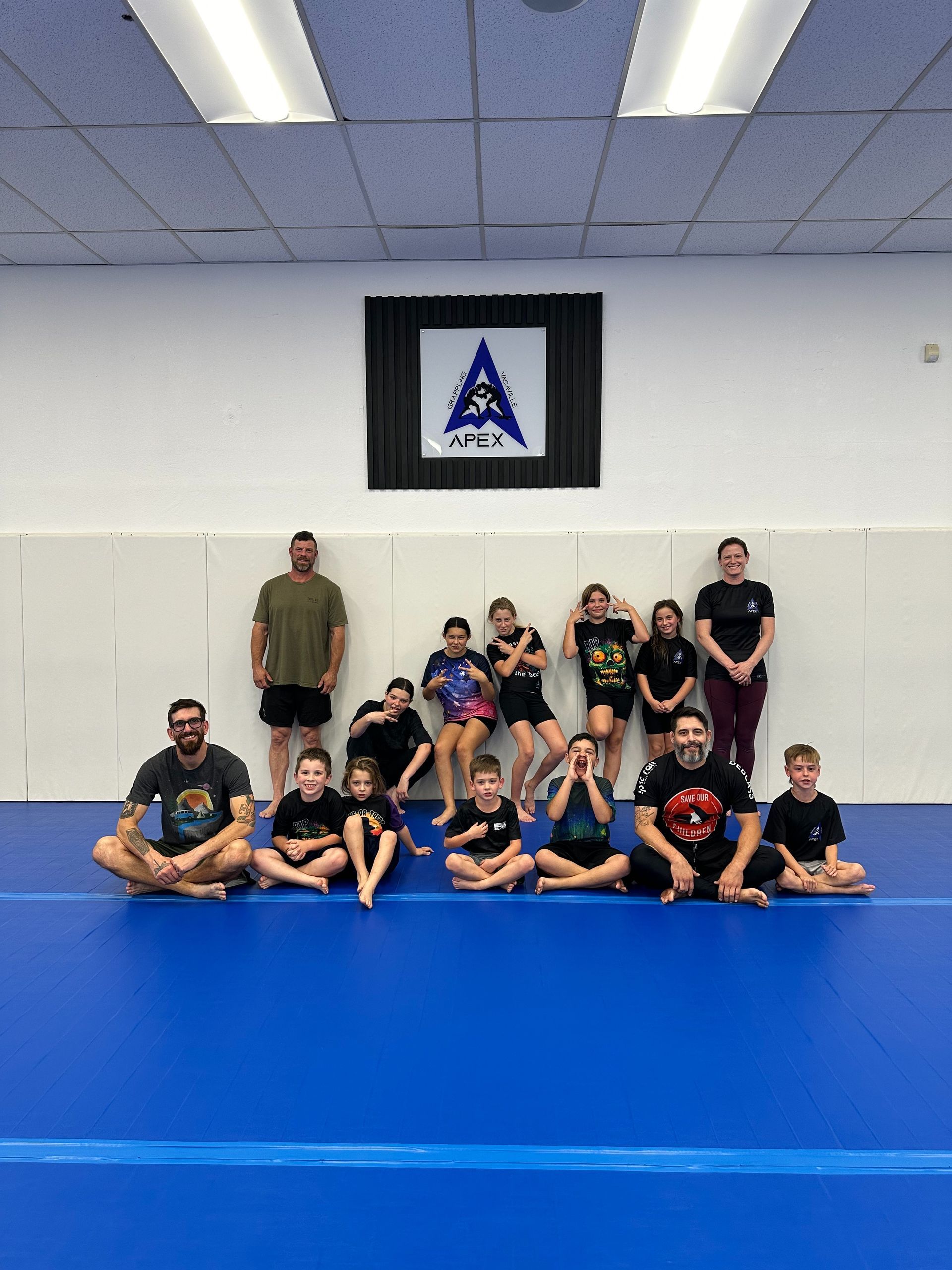
If you are a parent, you can do the same thing for your child by choosing youth classes that emphasize movement, teamwork, and confidence first. Our youth grappling classes Vacaville families choose tend to work best when kids train consistently and parents keep the goal simple: show up, learn, and enjoy it.
What Gear You Need for No Gi Classes
You do not need a lot to begin, and we can help you choose the right basics.
For no-gi training, plan on:
- Rash guard that fits snugly and does not bunch up
- Training shorts without pockets or zippers
- Mouthguard, because it is a simple layer of protection and we treat it as standard
- Water bottle and a small towel, because you will sweat
We also remind everyone about hygiene. Clean gear, trimmed nails, and no shoes on the mats are small details that make training better for everyone.
Why Grappling Builds Confidence That Lasts
Confidence in grappling is earned in small moments. You escape a bad position you used to panic in. You keep your posture when someone is pulling on your head. You learn to stay calm and solve the problem in front of you. That carries over into work stress, school pressure, and day-to-day interactions in a way that is hard to explain until you feel it.
And because so many high-level matches are decided by points and control rather than constant submissions, the sport rewards patience and strategy. That is good news for beginners. It means you can improve through smart habits, not brute force.
Start Your Journey with Vacaville Grappling Academy
If you want a practical, welcoming way to learn grappling in Vacaville, we have built our programs so you can start at any age and still feel guided, not thrown into the deep end. Our schedule supports adults and families, our coaching stays rooted in fundamentals, and our training reflects where modern no-gi is going, including wrestling integration and safe, progressive leg lock education.
When you are ready, we would love to help you take the first step at Vacaville Grappling Academy. Come in for a trial class, meet our coaching team, and see how quickly the basics begin to click once you are on the mat.
Train with focus and see steady progress by joining a grappling class at Vacaville Grappling Academy.